can you remote start a manual car
Summary
Overview of Remote Start in Manual Cars Remote start in manual cars is possible but requires bypassing the clutch safety switch․ Many aftermarket kits provide a switch that disables the clutch sensor, allowing the engine to start while the car […]
Overview of Remote Start in Manual Cars
Remote start in manual cars is possible but requires bypassing the clutch safety switch․ Many aftermarket kits provide a switch that disables the clutch sensor, allowing the engine to start while the car is in neutral․ However, this bypass can pose safety risks if the vehicle is left in gear․ and no lock!!!․
Definition and Basic Operation
Remote start in a manual‑transmission vehicle is a wireless system that sends a start‑signal to the engine control unit (ECU) through the vehicle’s immobilizer network․ The signal bypasses the traditional key‑in‑ignition requirement, allowing the engine to crank while the car is in neutral․ For a manual car, the clutch safety switch normally blocks the engine from starting unless the clutch pedal is depressed․ To make remote start possible, the switch must be disabled or bypassed․ Most aftermarket kits provide a small relay or a bypass switch that shorts the clutch‑pedal contact, effectively telling the ECU that the clutch is “in” even though it is not․ Once the engine is running, the remote system will automatically shut the engine off after a preset period, or when the driver returns and turns the key or presses the start button again․ The system also monitors door‑switch status and the alarm; if a door is opened or the alarm is triggered, the remote start circuit is cut to prevent unintended operation․ This basic operation lets a driver warm or cool the cabin before physically entering the vehicle, but it requires careful installation to avoid safety hazards․ The remote start module communicates with the vehicle’s body control module (BCM) via a proprietary wireless protocol, and the BCM forwards the command to the ECU․ The ECU then runs the starter motor, engages the fuel pump, and starts the engine․ After the engine starts, the remote module monitors the engine’s idle speed and temperature, and will shut the engine down if the idle drops below a threshold or if the engine temperature rises above a safe limit․ The remote start feature is often integrated with the vehicle’s alarm system, so that a triggered alarm will immediately cut the engine to prevent theft or damage․ Proper installation also involves wiring the remote module to the vehicle’s battery, ensuring that the system has enough power to start the engine and to run the auxiliary functions such as the HVAC system․ In addition, the remote start system often includes a parking‑brake sensor that ensures the vehicle is not in gear․ Some advanced kits can detect the gear position and refuse to start if the car is in drive or reverse․ The remote start also typically includes a timeout feature that shuts the engine after a predetermined number of minutes to prevent fuel waste․ The system can be configured to allow the engine to stay running only while the driver remains within a set proximity, using a GPS or Bluetooth module․ Installation typically requires connecting the remote module to the vehicle’s OBD‑II port or directly to the ECU wiring harness․ The installer must also re‑wire the clutch safety switch or install a bypass switch that mimics the “clutch depressed” signal․ This bypass must be designed to fail safe, so that if the switch fails, the engine will not start unless the clutch is actually depressed․ Many installers recommend using a dedicated bypass relay that can be turned off manually in case of an emergency․ The remote start system must also be integrated with the vehicle’s immobilizer to prevent unauthorized use; the remote module must authenticate the signal before allowing the engine to start․ Finally, the remote start system is often paired with a mobile app that allows the driver to monitor engine status, lock or unlock doors, and control climate settings from a smartphone․
Typical Remote Start Features
Remote‑start systems for manual‑transmission vehicles generally bundle a wireless key fob, a body‑control‑module (BCM) interface, and a clutch‑safety bypass․ The BCM monitors the parking‑brake switch, the door‑switch status, and the alarm state; if any of these conditions are violated, the engine will not start․ A built‑in engine‑idle timer limits the run time, while a temperature sensor prevents overheating․ Many kits include a lock‑and‑unlock module that can be triggered remotely, and a climate‑control trigger that activates the HVAC system before the driver enters․ A GPS or Bluetooth proximity sensor can enforce a “no‑start‑if‑outside‑range” rule, and a mobile‑app interface allows the user to monitor engine status, battery voltage, and diagnostic codes․ Firmware updates are usually available over the air, and a reset button can clear stored codes․ The system also provides a fail‑safe relay that will cut power if the clutch safety switch fails, and a manual override switch that can disable the remote start in case of emergency․ Finally, most systems offer a user‑defined start‑time schedule, so the engine can be pre‑conditioned at a specific hour each day․
The installation process typically involves wiring the remote module to the vehicle’s ECU harness and installing a bypass relay for the clutch safety switch․ Users can set custom start times and enable remote HVAC activation․ Provide a convenient, climate‑controlled entry for manual‑transmission owners․
The offers monitoring !
Mechanical Constraints of Manual Transmissions
Manual cars require the clutch pedal to be depressed for engine start, and selector neutral․ Remote kits bypass the clutch safety switch with a relay that simulates pedal depression․ This bypass can start the engine while the car is in neutral, but! if left in gear it may drive away․ Wiring is essential!․
Clutch Safety Switch Function
The clutch safety switch is a small device on the clutch pedal that senses whether the pedal is depressed․ In most manual transmissions, the engine‑ignition system will not crank unless the switch indicates the clutch is engaged, preventing the car from moving when the engine starts while the vehicle is in gear or the parking brake is released․ Remote‑start systems that claim compatibility with manuals usually incorporate a bypass switch or relay that forces the clutch‑safety circuit to report a “pedal depressed” state․ When the remote button is pressed, the relay energizes a contact that closes the circuit, mimicking the mechanical action of the pedal․ While this allows the engine to start, the vehicle can still be left in gear, which is why installers advise placing the car in neutral and engaging the parking brake before initiating a remote start․ Failure to do so can result in unintended movement or a collision․ Some modern vehicles add a gear‑position sensor that will refuse to start if the car is not in neutral, even if the clutch switch is bypassed․ Therefore, the clutch safety switch is a critical safety component that must be considered when evaluating the feasibility and safety of remote starting a manual car․ The switch is often integrated into the vehicle’s immobilizer system, and tampering with it can trigger the alarm or disable the keyless entry system․ Technicians typically use a small toggle or a 12‑V relay to override the switch, but this requires precise wiring to avoid electrical faults․ The legal implications of bypassing the clutch safety switch are significant, as it removes a built‑in safety measure designed to protect drivers and pedestrians․ Consequently, many manufacturers refuse to provide factory remote‑start options for manual models, and aftermarket solutions are usually only recommended for owners who understand the risks and are willing to accept liability․ Use caution․
Gear Position Sensor Interaction
Many remote‑start modules for manual vehicles monitor the gear‑position sensor to ensure the car is in neutral before the engine starts․ The sensor, typically a Hall‑effect or potentiometer device on the transmission, sends a voltage signal that the ECU interprets as “neutral” or “gear․” If the signal indicates a gear other than neutral, ECU blocks the ignition sequence, even if the clutch safety switch is bypassed․ Some aftermarket kits use a logic module that reads the sensor output and permits the relay to energize the starter in neutral․ However, a few high‑end systems allow the engine to start regardless of the gear‑position․ While this makes remote very starting more convenient, it eliminates a critical safety check and is discouraged by most manufacturers and safety regulators!! This logic ensures vehicle cannot be started while in gear!!!
Parking Brake Role
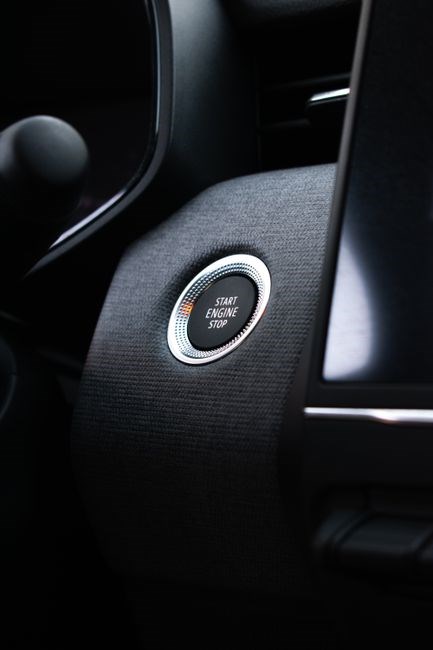
In most factory and aftermarket remote‑start systems for manual transmissions, the parking‑brake is treated as a safety interlock․ The system reads the parking‑brake switch (usually a simple mechanical or magnetic contact) and will not allow the starter relay to energize unless the brake is disengaged․ This prevents the vehicle from being started while the brake is engaged, which could lock the wheels and cause a sudden jolt if the engine turns on․ Some kits add a separate “parking‑brake bypass” switch that can be wired in parallel with the original contact, allowing the user to override the interlock․ However, bypassing the parking‑brake sensor is strongly discouraged because it removes a key safety check and can lead to unintended movement of a parked vehicle․ Many installers therefore leave the original sensor intact and only provide a neutral‑gear bypass for the clutch safety switch․ In summary, the parking brake must be released for a remote start to function unless a specific bypass is installed, and even then the risk of accidental movement remains high․
The parking brake’s electrical interface is a normally‑closed switch monitored by the body‑control module․ When engaged, the switch signals the remote‑start controller to block ignition․ Some vehicles also use a secondary hand‑brake switch that must be released before the starter relay can energize․ This dual‑check system prevents accidental movement of a parked vehicle․ For owners adding start to a manual car, the reliable method is to install a neutral‑gear bypass that respects the parking‑brake status rather than disabling it entirely!
Compatibility and Aftermarket Solutions
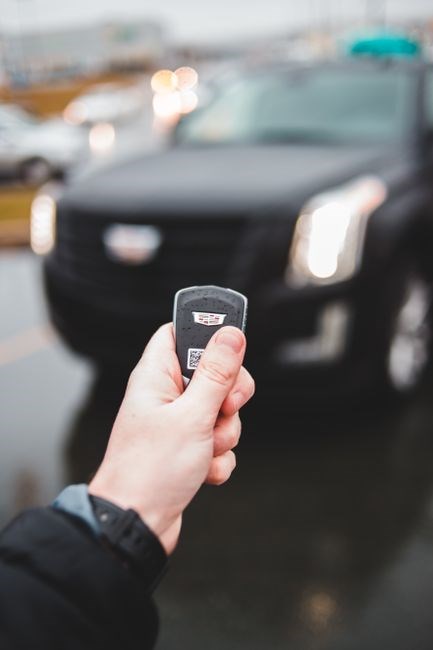
Aftermarket kits for manual cars often include a clutch‑safety bypass and a neutral‑gear check․ Some systems integrate with the vehicle’s ECU, while others use a simple relay module․ Compatibility varies by make, model, and year; always verify sensor wiring before installation․ Check local laws․ now!OK․
Factory Remote Starts in Manual Transmission Models
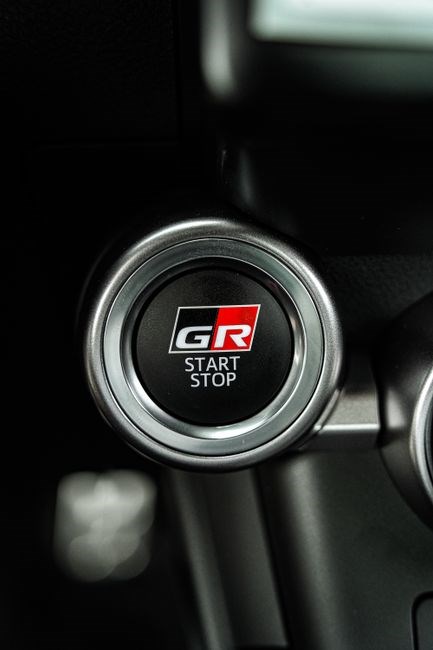
Manufacturers rarely equip manual‑transmission vehicles with factory remote‑start systems due to safety and liability concerns․ When a manual car does come with a built‑in remote start, the installation typically includes a clutch‑safety interlock that disables the engine unless the clutch pedal is depressed or the car is in neutral․ Some high‑end models, such as certain Mercedes‑C‑class and BMW 3‑Series, have offered optional remote start packages that automatically detect the gear selector position and enforce neutral or park before engaging the starter․ These systems often integrate with the vehicle’s alarm and immobilizer modules, ensuring that the remote start circuit is only active when the doors are closed and the key is not in the ignition․ In most cases, the factory remote‑start feature is paired with a “remote‑start‑only” mode that prevents the car from moving until the driver manually engages the clutch or shifts into drive․ This design mitigates the risk of the vehicle inadvertently rolling while remote‑started․ However, the implementation varies widely: some models rely on a dedicated electronic switch on the clutch pedal, while others use a sensor that monitors the gear selector lever․ Because of the complexity and the potential for accidental activation, many manufacturers opt to exclude remote start from their manual‑transmission lineups entirely, leaving aftermarket solutions as the primary option for owners who wish to add this convenience feature․
These factory solutions are rare, and most dealers remove them from manual models before delivery to avoid liability․ However, the lack of a built‑in interlock means starts must be configured to avoid a movement․
Remote Starts in Transmissions
Aftermarket remote‑start kits have been available for over two decades, offering a practical solution for manual‑transmission owners․ These systems typically incorporate a bypass switch that disables the clutch‑safety sensor, allowing the engine to engage while the vehicle is in neutral․ The bypass is usually a simple electrical connection that tricks the car’s control module into thinking the clutch is depressed․ Many high‑quality kits also include a gear‑position sensor that refuses to start if the car is in gear, adding an extra layer of safety․ Installation often requires wiring to the vehicle’s existing alarm or immobilizer system, and a small relay to control the starter․ Some kits provide a “remote‑start‑only” mode, where the car will not move until the driver manually engages the clutch or shifts into drive․ While the technology is straightforward, installers must be cautious: a faulty bypass can leave the vehicle in gear, potentially causing it to roll if the remote start is activated․ Because of these risks, many professional installers decline to install remote‑start kits on manual cars, citing liability concerns․ Nonetheless, for owners willing to accept the responsibility, aftermarket kits remain the most accessible way to add remote‑start functionality to a manual vehicle․ Installation typically requires a qualified technician to ensure proper grounding and to program the vehicle’s ECU․ Some manufacturers provide a diagnostic interface that lets the installer verify bypass logic and set a timeout period after which the engine will shut off automatically if the vehicle remains in neutral․ Owners should test the system in a safe environment, confirming that the car does not move until the clutch is engaged or the gear selector is in park, before using it on public roads․ A installer should verify safety interlocks and confirm that the remote start will not engage unless the clutch is depressed!
Bypass Switch Implementation
Bypass switches are the key to enabling remote start in manual‑transmission cars․ They replace the clutch‑safety circuit that normally blocks the starter unless the clutch pedal is depressed․ The switch is a simple SPDT or DPDT contact that, when closed, shorts the clutch‑sensor line to ground, fooling the ECU into thinking the clutch is engaged․ Installation involves locating the original clutch‑safety switch or sensor output wire, splicing a short wire, and connecting the bypass contacts․ Most aftermarket kits provide a weather‑sealed module that plugs into the existing alarm harness and includes a relay to isolate the starter until the remote start command arrives․ Many modules also monitor the gear‑shift position sensor; if the car is in gear, the controller refuses to energize the starter, preventing unintended movement․ Some advanced systems add a timeout feature: if the vehicle remains in neutral for a preset period after the remote start command, the ECU auto shuts the engine off, reducing the risk of a runaway vehicle․ Proper grounding is essential; a poor ground can cause intermittent operation or a failure to engage the starter․ After wiring, the ECU may need to be re‑programmed or a diagnostic tool used to recognize the bypass logic․ Testing should be done in a controlled environment: verify that the engine starts only when the bypass is active, that the vehicle does not move until the clutch is depressed or the gear selector is in park, and that the time‑out feature works correctly․ When all checks pass, the remote start system can be considered safe for use in a manual‑transmission vehicle․
Legal, Safety, and Liability Issues
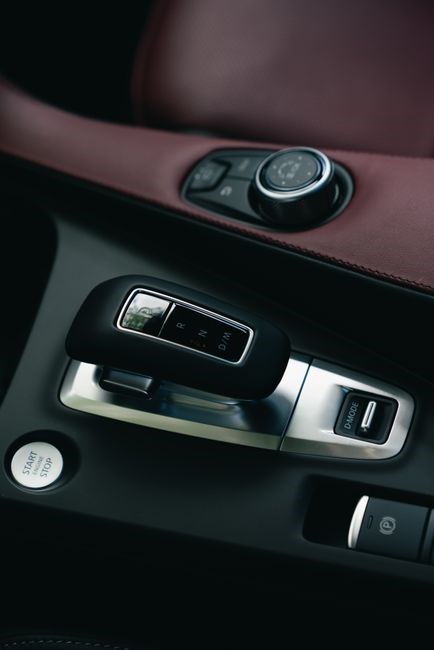
Remote starts on manuals raise liability: installers risk claims if the car moves while in gear․ Laws vary; some states prohibit bypassing safety switches․ Users must ensure the system disables the engine if the clutch is not depressed, or face legal action․ now!
Installer Liability and Safety Concerns
When a dealer or technician installs a remote‑start system on a manual‑transmission vehicle, the installer faces significant legal exposure․ The primary risk is that the engine may start while the clutch pedal is not depressed and the gear selector is in drive or reverse․ If the vehicle then moves unexpectedly, it can cause injury or property damage, and the installer can be held liable for negligence․ Because of this, many manufacturers and dealers remove factory remote‑start modules from manual models or refuse to install aftermarket kits that bypass the clutch safety switch․ In jurisdictions where the law requires a mechanical interlock between the clutch position sensor and the ignition, installing a bypass that disables that interlock is illegal․ Even where it is technically permissible, insurers often exclude coverage for vehicles that have had such a modification, and the owner may be required to provide proof of a safety interlock that prevents the engine from running unless the clutch is fully depressed․ The installer must therefore document that the system will not engage the engine unless the clutch is engaged, or risk both civil and criminal liability․ In practice, the safest approach is to avoid installing a remote start on a manual transmission unless the vehicle is equipped with a factory‑approved system that includes a clutch‑position interlock․ Otherwise, the installer’s liability can be catastrophic․ These constraints explain why remote‑start is offered for manual cars․
Risk of Unauthorized Bypass
Unauthorized bypasses of the clutch safety switch are a common shortcut among DIY enthusiasts․ By simply wiring a short across the clutch pedal sensor, the engine can be started remotely even when the clutch is not depressed․ While technically simple, this practice introduces severe safety hazards․ If the vehicle is left in gear, a remote start will cause it to move unexpectedly, potentially leading to collisions or injuries․ Many users report that after installing a cheap bypass, the car would start while parked in drive, causing a sudden roll that damaged nearby property․ Because the bypass eliminates the mechanical interlock that prevents engine start in gear, it violates most manufacturers’ safety protocols and often contravenes local traffic regulations․ Moreover, insurers typically refuse to cover accidents involving vehicles with unauthorized modifications, leaving owners and installers exposed to financial loss․ The risk is amplified when the bypass is installed without a proper lockout feature that ensures the clutch pedal is engaged before ignition․ In short, while a bypass may seem convenient, it creates a liability chain that can endanger drivers, passengers, and bystanders alike․
- Clutch‑sensor bypasses are simple but risky․
- Unauthorized starts can move the car in gear․
- Insurers may void coverage for modified vehicles․
- Legal liability can rise if an accident occurs․
These risks underscore why professional installers avoid bypassing safety interlocks․
Info