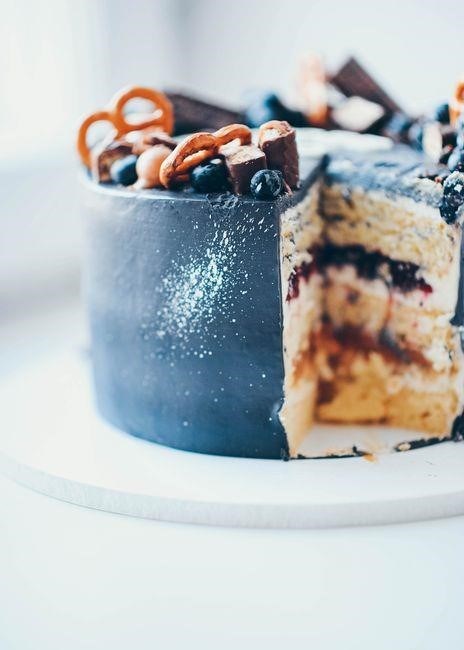
cake size serving guide
Summary
Struggling with cake size? Get our ultimate cake size serving guide to ensure every slice is just right for your next big event!
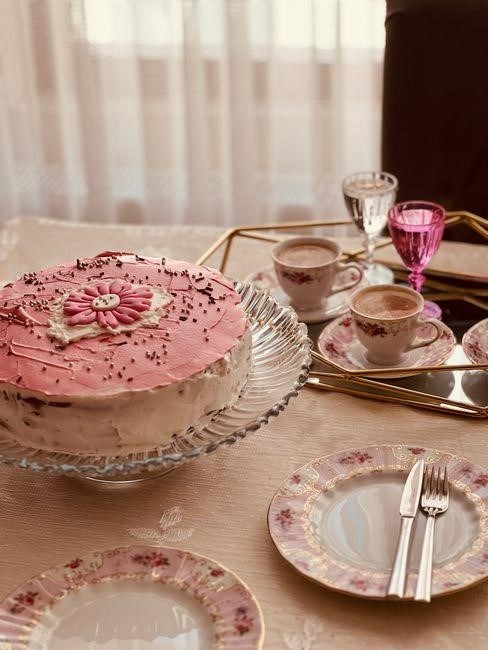
Understanding Cake Serving Sizes
Cake is a confection‚ often layered with jam and frosting.
Allrecipes offers trusted recipes for various cake types‚ aiding in portion planning.
Standard Cake Sizes and Yields
According to various online culinary resources‚ determining standard cake sizes and their corresponding yields is crucial for successful event planning and portion control.
Cake‚ defined as a baked confectionery‚ varies greatly in its composition‚ from pound cake bases to elaborate layered structures featuring jam and frosting.
Allrecipes provides practical guidance through diverse recipes‚ helping users estimate servings based on their chosen cake type‚ such as chocolate or carrot cakes.
- 8-inch round cakes typically serve 10-12 people.
- 9-inch rounds usually accommodate 12-14 servings comfortably.
- 10-inch rounds generally yield 14-16 portions.
Sheet cakes‚ specifically half sheets‚ offer a larger‚ more uniform serving capacity suitable for gatherings.
These estimates are general; actual yields depend heavily on the slice size chosen by the host.
For precise calculations‚ one must consider the depth of the cake layers‚ not just the diameter.
RussianFood.com showcases numerous cake recipes‚ implying diverse size standards across different culinary traditions.
Consistency in slicing ensures equitable distribution among all guests‚ preventing dissatisfaction at large functions.
This foundational knowledge assists in procurement‚ ensuring enough dessert for every attendee without excessive waste‚ a key aspect of responsible catering practices.
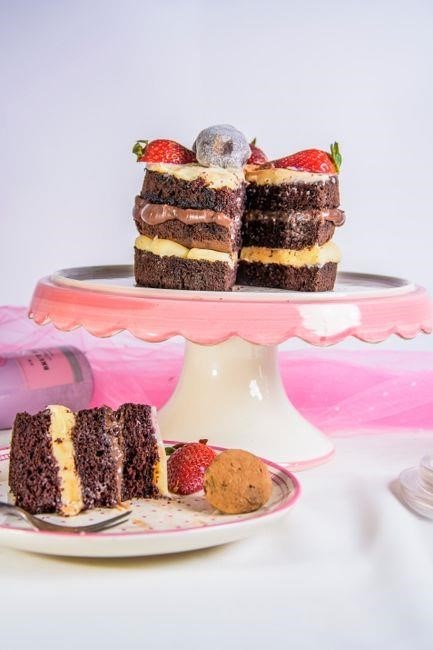
Serving Guide for 8-Inch Round Cake
An 8-inch round cake presents a classic‚ manageable size for smaller to medium gatherings‚ requiring careful slicing for optimal guest satisfaction.
Cake of this dimension‚ when properly layered with jam and frosting‚ generally yields between 10 and 12 generous servings‚ depending on the desired portion size.
Allrecipes suggests that standard dessert portions for this size cake should not exceed 1.5 to 2 inches in diameter to maintain quality.
- For a more modest serving size‚ aim for 12 slices.
- If guests prefer larger portions‚ adjust the count down to 10 servings.
It is vital to remember that these are guidelines; the final count must align with the event’s formality and guest expectations.
Consulting resources like RussianFood.com can offer context on how different cultural traditions approach cake portioning.
Proper cutting techniques‚ ensuring straight lines from the center‚ are paramount for uniformity across all slices.
This specific guide helps prevent over- or under-preparation for an 8-inch centerpiece‚ balancing aesthetic appeal with practical distribution for a perfect dessert experience.
Serving Guide for 9-Inch Round Cake
A 9-inch round cake offers a slightly larger canvas than the 8-inch‚ making it suitable for slightly more substantial gatherings while remaining elegantly sized for celebrations.
Cake‚ being a baked confectionery‚ typically yields between 12 and 14 servings when cut into standard‚ appealing portions.
Allrecipes provides helpful context for various cake types‚ suggesting that a 9-inch cake supports a generous serving count without appearing overly large on a standard dessert table.
- For standard party servings‚ plan for 13 slices‚ ensuring balanced distribution.
- If guests prefer smaller‚ lighter portions‚ increase the count up to 14 servings.
The key to success lies in consistent slicing; use a sharp‚ thin knife for clean‚ professional-looking cuts throughout the entire perimeter.
Referencing diverse culinary sources‚ such as RussianFood.com‚ reminds us that serving size perception varies globally‚ necessitating flexibility.
This specific guidance for the 9-inch format helps hosts accurately predict dessert needs‚ avoiding both scarcity and excessive waste‚ thereby enhancing the overall event experience significantly.
Serving Guide for 10-Inch Round Cake
A 10-inch round cake presents a versatile size‚ ideal for medium-sized celebrations or when slightly larger individual portions are desired compared to smaller formats.
Cake‚ as a baked sweet treat‚ generally accommodates between 14 and 16 servings when cut appropriately‚ depending on the desired slice size.
Allrecipes suggests that for a 10-inch cake‚ aiming for 15 servings provides a comfortable balance for most gatherings‚ accommodating both standard and slightly more generous appetites.
- For a standard gathering of 14 people‚ ensure slices are uniform across the entire cake surface.
- If the event is more intimate‚ 16 servings allow for smaller‚ more delicate portions.
Consistency in cutting is paramount; employ a long‚ thin‚ and very sharp knife to prevent crumbling and ensure every slice is visually appealing and structurally sound.
Consulting resources like RussianFood.com highlights the importance of recipe context‚ which informs appropriate serving expectations for various cake styles.
This detailed serving advice for the 10-inch dimension helps hosts manage expectations effectively‚ ensuring every guest receives a satisfying piece of the delightful confection without any awkward leftovers or shortages.
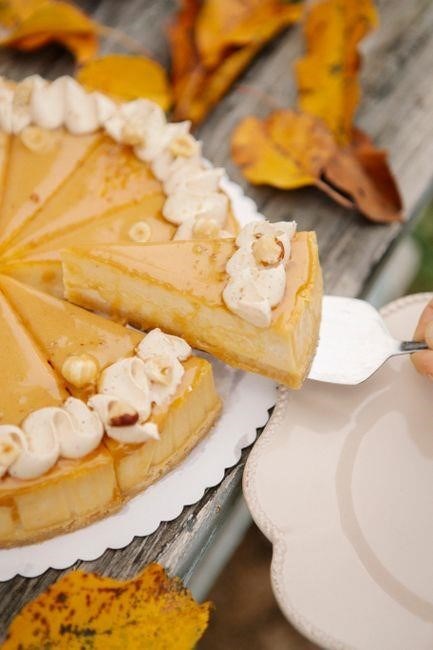
Serving Guide for Sheet Cake (Half Sheet)
A half sheet cake offers a large‚ rectangular canvas for serving‚ making it excellent for events requiring more volume than a round cake‚ such as office parties or larger family gatherings.
Cake dimensions necessitate a different cutting strategy than circular cakes; straight‚ even cuts are key to equitable distribution among guests.
Allrecipes provides general guidance‚ but for a half sheet‚ a conservative estimate of 24 to 30 servings is usually appropriate‚ contingent upon the portion size chosen by the host.
- If serving smaller‚ more delicate portions‚ aim for the higher end of the estimate‚ around 30 servings.
- For heartier‚ more substantial slices‚ cap the serving count closer to 24 to ensure adequate dessert for everyone present.
Utilizing a ruler or grid system before cutting ensures perfect uniformity across the entire rectangular surface‚ preventing any guest from feeling disadvantaged by a larger or smaller piece.
Furthermore‚ referencing culinary sites like RussianFood.com reminds us that the density and richness of the cake influence how filling each slice will be‚ thus affecting perceived serving size.
This methodical approach to portioning a half sheet cake guarantees smooth service and guest satisfaction‚ transforming a large quantity into perfectly managed individual delights for any occasion.
Adjusting Servings for Different Cake Shapes
The geometric shape of the cake—round‚ square‚ or sheet—significantly impacts how servings are calculated‚ as area coverage differs even with similar total volumes.
Cake serving guides must account for the perimeter and the usable surface area provided by each form factor to maintain consistency across all presentations.
Allrecipes recipes often provide base estimates‚ but these require modification based on whether the shape is circular or rectilinear for accurate guest planning.
- Round cakes maximize volume within a circular boundary‚ leading to predictable‚ wedge-shaped portions.
- Square or rectangular cakes allow for more uniform‚ straight-edged cuts‚ which can sometimes yield slightly more consistent servings if cut precisely.
- Sheet cakes‚ being large and flat‚ require area-based division rather than radius-based division for accurate counts.
When transitioning between shapes‚ one must calculate the equivalent area; for instance‚ a 9-inch round approximates the area of a specific square‚ allowing for a standardized serving count regardless of the pan used.
Consulting resources like RussianFood.com helps understand how different structural types affect slice size‚ not just the pan shape itself‚ ensuring a holistic serving adjustment strategy.
This comparative analysis ensures that whether presenting a small 6-inch or a large 12-inch cake‚ the intended portion size remains consistent for every attendee‚ promoting fairness and culinary precision across all formats.
Factors Affecting Cake Serving Count
Beyond mere dimensions‚ several critical elements influence the final number of servings derived from a single cake‚ necessitating a nuanced approach to estimation and calculation for perfect event planning.
Cake serving size is not purely mathematical; it is heavily influenced by the intended context of consumption‚ such as a formal dinner versus a casual gathering.
- Portion size preference: Small‚ delicate slices versus generous‚ substantial portions drastically alter the count.
- Cake density and structure: A very dense pound cake yields different slices than a light‚ airy sponge‚ affecting how much edible portion is achieved per cut.
- Accompaniments: Whether served alone or with ice cream‚ fruit‚ or sauces changes the perceived serving size.
- Event formality: Weddings demand smaller‚ elegant portions‚ while parties allow for larger‚ more indulgent slices.
References like Allrecipes provide recipe context‚ reminding users that ingredient type impacts final texture and‚ consequently‚ slice yield.
Furthermore‚ the aesthetic presentation‚ as seen in custom orders from Cakeinflowers‚ often dictates smaller‚ more artful cuts‚ which must be factored into the total count for accurate guest management.
The goal is not just to divide the cake‚ but to divide it according to the experience desired by the guests‚ balancing mathematical accuracy with culinary expectation for a successful event outcome.
Portion Size Recommendations
Determining appropriate portion sizes is crucial for guest satisfaction‚ balancing generosity with efficient cake utilization across various social settings‚ drawing insights from general culinary practices.
- Standard serving: Generally‚ a slice should be manageable‚ neither too meager nor excessively large‚ typically around 1 to 1.5 inches high for layered cakes.
- Formal events: Recommend smaller‚ refined portions to maintain elegance and allow guests to sample other offerings.
- Casual gatherings: Larger‚ more satisfying slices are acceptable‚ reflecting a relaxed atmosphere.
- Contextual adjustment: Consider if the cake is the sole dessert or part of a larger spread‚ as this dictates slice size.
Information from Allrecipes suggests variety in how cakes are enjoyed‚ implying flexibility in portioning based on recipe type‚ such as chocolate versus carrot cakes.
For precise guidance‚ one must correlate the cake’s diameter with the desired slice dimension‚ moving beyond simple division to achieve aesthetically pleasing and functionally adequate servings for every attendee‚ ensuring a delightful experience for all participants.
This thoughtful approach‚ informed by the diverse offerings found on sites like RussianFood.com‚ ensures that the serving size matches the event’s tone perfectly‚ avoiding both waste and guest disappointment.
How to Calculate Servings Accurately
Accurate serving calculation necessitates knowing the total area of the cake and the area of a single‚ standardized slice‚ a geometric approach superior to mere division by standard estimates.
- Formula application: Total Cake Area (πr²) divided by Slice Area (based on desired angle/radius) yields the exact count.
- Reference data: Consult general guidelines‚ such as those implied by Wikipedia‚ for typical slice dimensions relative to cake size.
- Practical adjustment: Always round down to ensure no guest receives a fractionally undersized portion‚ prioritizing guest satisfaction over maximizing yield.
- Verification: Cross-reference calculations with established charts for specific diameters‚ acknowledging that slice thickness also impacts final count.
The methodology must account for frosting height and cake layers‚ as these affect perceived portion size‚ even if the base area remains constant‚ a nuance often overlooked in simple arithmetic.
Utilizing resources like Allrecipes can provide real-world context for how different recipes translate to servings‚ validating theoretical calculations against practical outcomes observed by home cooks globally.
This precise calculation method‚ rather than relying solely on rough estimates‚ ensures consistency whether preparing a small or a very large confection‚ providing reliability for any event planning scenario‚ a key takeaway from comprehensive culinary guides.
Serving Guide for 6-Inch Cake
For a 6-inch round cake‚ the standard serving count generally falls within a narrow‚ predictable range‚ dependent heavily on the desired slice size‚ which is crucial for accurate guest expectation management.
- General estimate: Typically yields between 8 to 10 servings when cut into moderate‚ standard portions suitable for a dessert setting.
- Precision note: Smaller‚ more delicate slices might push this toward 10 or 11‚ whereas larger‚ more generous slices will limit it closer to 8.
- Contextual check: Referencing general culinary knowledge‚ similar to what is found on Wikipedia‚ confirms this range for this specific diameter.
- Application: This size is excellent for intimate gatherings or as a personal dessert rather than a large centerpiece for a major event.
When planning‚ remember that the actual yield can be slightly modified by the cake’s height and density; a taller‚ denser cake naturally supports fewer‚ more substantial servings than a flatter‚ lighter one.
To ensure accuracy‚ one should employ the area calculation method described previously‚ rather than relying solely on pre-set numbers‚ especially when comparing this to larger formats like the 12-inch cake.
Trusted recipe sources‚ such as Allrecipes‚ often provide specific yield data tied to their recipe structures‚ offering a practical benchmark for this 6-inch size in real-world baking contexts.
Serving Guide for 12-Inch Cake
A 12-inch round cake presents a substantial dessert option‚ suitable for larger celebrations where a generous serving count is anticipated by the host and guests alike.
- Standard Yield: Generally‚ a 12-inch cake is estimated to serve between 40 to 55 people‚ contingent upon the chosen slice size and portioning philosophy.
- Portion Variation: For a more moderate‚ standard party slice‚ aim for the higher end of this range (closer to 50-55). If the cake is intended for a formal event requiring smaller‚ more refined portions‚ the lower end (40-45) is safer.
- Reference Point: Culinary resources‚ including those found on Wikipedia‚ corroborate this broad range‚ emphasizing the variability based on serving size preference.
- Practical Advice: Always calculate based on the total area to avoid under- or over-estimating; this large size demands careful division.
When consulting recipe databases like Allrecipes‚ note that specific recipes might anchor the yield closer to 50 servings for a standard layer cake structure.
This size is ideal for medium-to-large gatherings‚ providing ample dessert for a significant number of attendees without requiring multiple smaller cakes‚ simplifying presentation significantly.
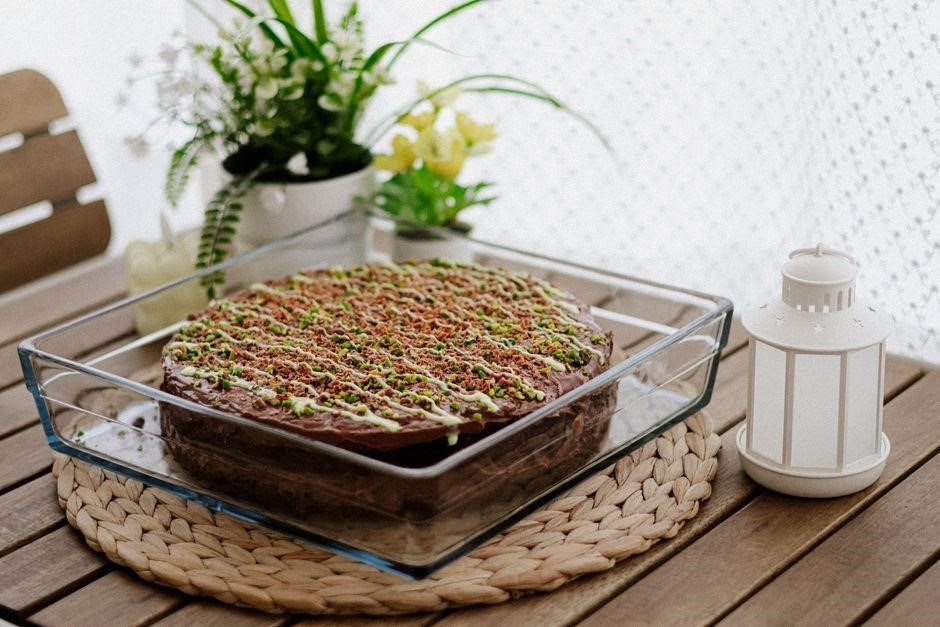
Tips for Buffet Cake Serving
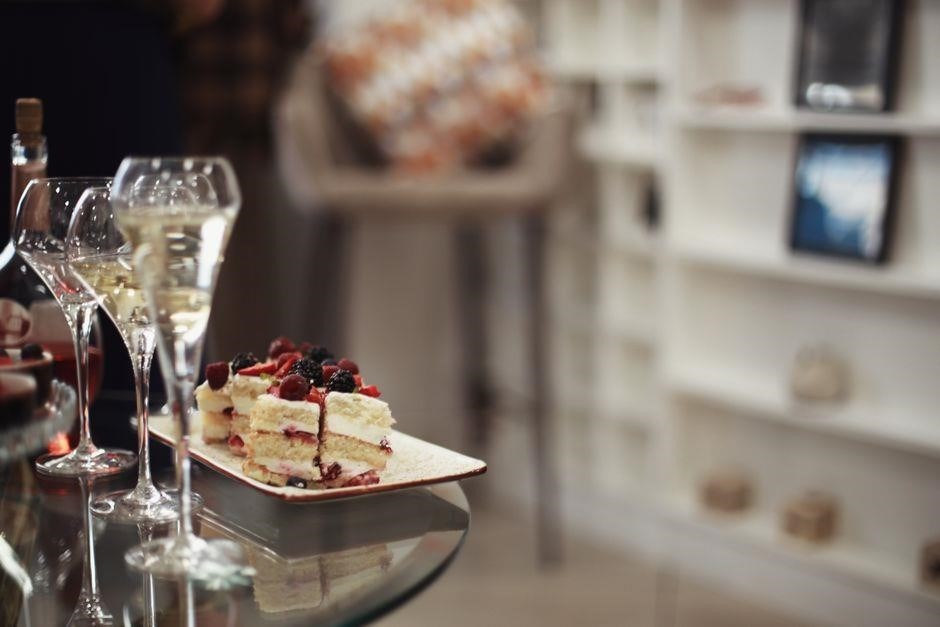
Presenting a cake at a buffet requires strategic planning to ensure an elegant and efficient serving experience for all attendees‚ maximizing visual appeal while maintaining portion control throughout the event duration.
- Pre-Slicing: For buffet ease‚ pre-slice the cake into uniform portions before placement on the serving platter; this prevents on-the-spot cutting errors.
- Staging: Position the cake near the dessert line‚ not isolated‚ to encourage natural flow and minimize traffic congestion around the serving area.
- Utensils: Provide appropriate‚ sturdy cake servers or slices‚ ensuring they are easily accessible without disrupting the cake’s presentation.
- Visual Appeal: Garnish the serving area attractively; a simple dusting of powdered sugar or fresh berries enhances the buffet aesthetic‚ referencing the artistry seen in custom orders like those from Cakeinflowers.
Remember that the perceived serving size can change; smaller‚ elegant slices often look more abundant than large‚ generous cuts‚ aligning with general culinary advice found on sites like Allrecipes.
Effective buffet service minimizes wait times and ensures that the cake remains visually appealing from the first guest to the last‚ a crucial element when managing a large dessert offering derived from standard cake dimensions.
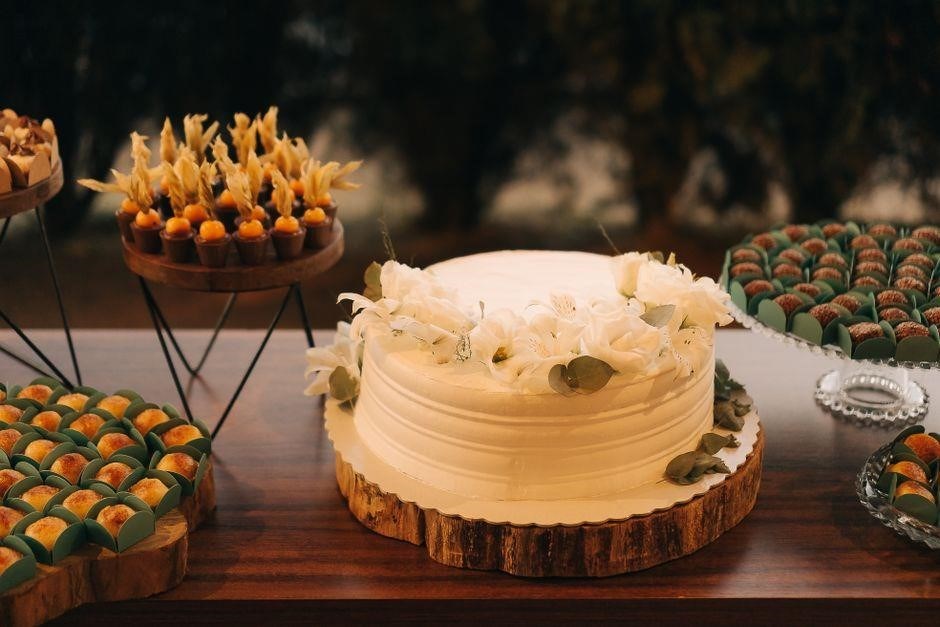
Cutting Techniques for Even Portions
Achieving perfectly even cake portions is paramount for guest satisfaction‚ ensuring no one feels they received a smaller slice than others‚ a key aspect of a successful dessert presentation‚ drawing inspiration from detailed recipe guides like those on Allrecipes.
- Leveling: Before cutting‚ use a long‚ straight edge or cake level to ensure the top surface is perfectly horizontal; this prevents slanted or uneven slices;
- Marking: Lightly score the cake with a thin‚ non-serrated knife‚ visualizing the desired cut lines based on the cake’s diameter‚ such as an 8-inch or 10-inch round.
- Slicing Motion: Use a steady‚ smooth‚ downward pressure rather than sawing back and forth; this minimizes crushing the delicate cake structure.
- Cleaning: Wipe the knife clean between each cut to prevent crumbs from sticking and distorting the slice edges.
For optimal precision‚ especially with layered cakes‚ a long‚ thin‚ sharp knife is indispensable; this technique directly supports the goal of accurate serving counts mentioned across various culinary resources‚ including those found on Wikipedia.
Consistent technique guarantees uniformity‚ whether serving a smaller 6-inch cake or a larger 12-inch centerpiece‚ thereby simplifying the entire serving process and enhancing the overall dining experience for every individual present at the gathering.